
No products in the cart.






















































































Hormonal coordination in humans
AED150.00
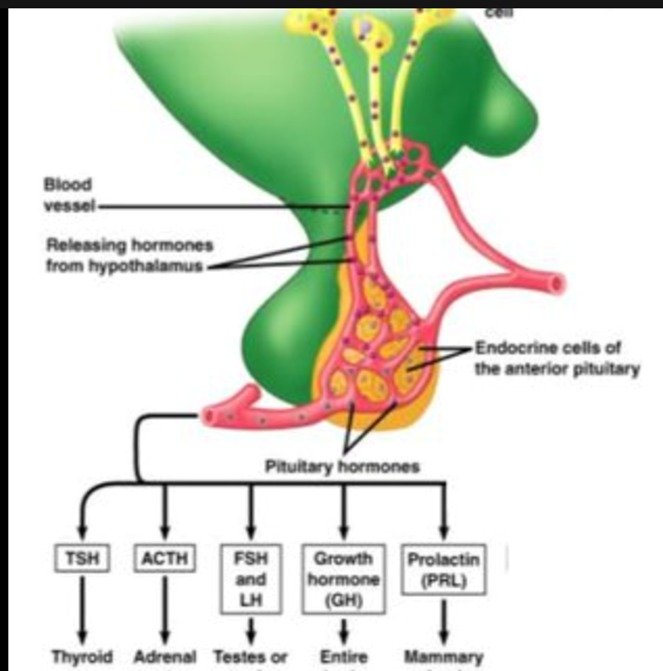
Hormonal coordination is a needed function of human physiology, regulating various physiological processes and maintaining internal balance and homeostasis. The core of hormonal coordination lies in the human endocrine system, a complex network of glands and organs that produce and release hormones into the bloodstream. These hormones act as chemical messengers, traveling to target tissues and organs to elicit specific responses and coordinate various bodily functions. The evidence of hormonal coordination manifests in diverse physiological phenomena, including the control of blood glucose concentration, the maintenance of water and nitrogen balance in the body, and the regulation of hormone levels in human reproduction. Hormones also play crucial roles in contraception and the treatment of infertility, offering therapeutic interventions to address reproductive health issues. Central to the functions of the endocrine system is negative feedback, wherein hormone levels are regulated through self-regulatory mechanisms to maintain physiological equilibrium. By exploring the intricacies of hormonal coordination, we gain insights into the dynamic interplay between hormones, organs, and physiological processes that govern human health and well-being.