No products in the cart.
⚗️ Science Subjects
Junior Science
›
Physics
›
Biology
›
Chemistry
›
Computer Science
›
🤖 STEM
Science & Experiments
›
Coding
›
Robotics
›
STEM & Technology
›
Project Based Learning
›
📖 English
English Language Learning
›
Phonics
›
Hand Writing
›
Secondary/Tertiary English
›
🔢 Xplore Math
Primary Math
›
Secondary Math
›
Tertiary Math
›


Primary Math : Primary years Mathematics — Level 1 to 6.
Numbers : Place value, number patterns, addition, subtraction, multiplication & division.
Explore : Fractions, Measurement, Geometry, Statistics & Problem Solving.
Hands-On : Visual models, manipulatives & practical investigations.
XPLORE MORE
Secondary Math : Intermediate Mathematics — Level 7 to 9.
Number & Algebra : Integers, fractions, decimals, percentages, equations & functions.
Geometry : Angles, transformations, area, volume, coordinates & geometric reasoning.
Statistics : Data analysis, probability & critical thinking through real-world applications.
XPLORE MORE
Tertiary Math : Advanced Mathematics for higher years.
Algebra & Functions : Equations, inequalities, logarithms, polynomials & graph modelling.
Calculus : Limits, differentiation, integration & rates of change.
Geometry & Stats : Trigonometry, vectors, probability models & statistical analysis.
XPLORE MORE
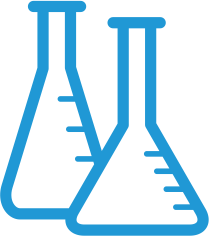




Junior Science : Study of basic science concepts.
Discover : Fun facts about nature, animals, and the world.
Explore : Simple experiments and hands-on activities.
Curiosity : Learn how things work and spark a love for science.
XPLORE MORE




Physics : Study of matter, energy, forces, motion.
Discover : How the universe works, from atoms to galaxies.
Explore : The laws of motion, light, and electricity.
Forces : Learn how gravity and forces shape our world.
XPLORE MORE


Biology : Study of life, plants, animals, ecosystems.
Discover : How living things grow, change, survive.
Explore : Nature's wonders, from bugs to forests.
Growth : Learn how living things grow and develop.
XPLORE MORE


Chemistry : Study of matter, elements, compounds, reactions.
Discover : How substances combine, transform, and interact.
Explore : The building blocks of everything around us.
Reactions : Learn how chemicals react and create new substances.
XPLORE MORE



Computer Science : Study of algorithms, programming & data.
Discover : How software and hardware work together.
Explore : Coding, networks, and artificial intelligence.
Innovation : Technology solves problems and drives progress.
XPLORE MORE

Science and Experiment : Study of natural phenomena.
Discover : How experiments reveal secrets of the natural world.
Explore : Conduct experiments to learn about science.
Inquiry : Using the scientific method to find answers.
XPLORE MORE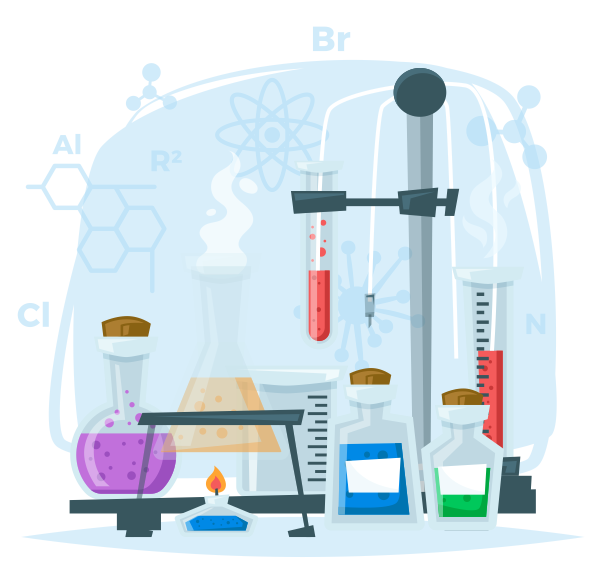

Coding : Writing instructions for computers to follow.
Discover : How to create websites, apps, and games.
Explore : Programming languages like Python, Java, and HTML.
Problem-Solving : Learn logical thinking and solve challenges.
XPLORE MORE



Robotics : Designing and building intelligent machines.
Discover : How robots sense, think, and act.
Explore : The use of sensors, motors, and programming.
Innovation : Create robots to perform tasks, solve problems.
XPLORE MORE
STEM and Technology : Integrating science & technology.
Discover : STEM's role in technological advancements.
Explore : Coding, robotics, electronics, digital innovation.
Innovation : Use technology to solve real problems.
XPLORE MORE





Project-Based Learning : Hands-on approach to education.
Discover : Real-world applications of classroom concepts.
Explore : Collaborative problem-solving and critical thinking.
Innovation : Learn to create solutions through practical projects.
XPLORE MORE





Secondary/Tertiary English: Structured language learning.
Discover : Grammar, vocabulary, and literature.
Explore : Reading, writing, and communication skills.
Innovation : Learn to articulate thoughts and ideas effectively.
XPLORE MORE

English Language Learning : Acquiring proficiency in English.
Discover : Grammar rules, vocabulary, and language usage.
Explore : Reading, writing, listening, and speaking activities.
Communication : Skills to effectively express ideas and thoughts.
XPLORE MORE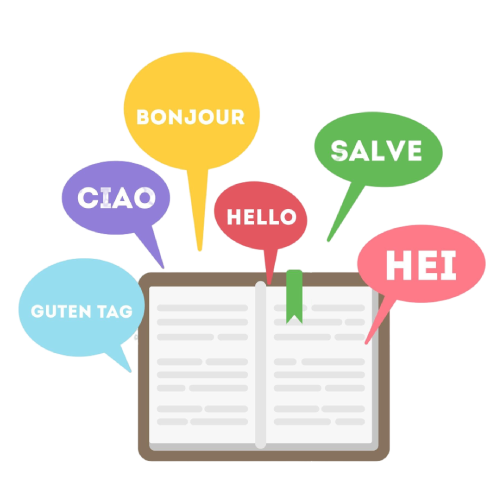
Phonics : Learning sounds and letter combinations.
Discover : How letters make different sounds in words.
Explore : Recognizing patterns to improve reading and spelling.
Literacy : Lay the foundation for fluent reading and writing skills.
XPLORE MORE




Handwriting : Developing legible and fluent writing skills.
Discover : How to form letters and words correctly.
Explore : Different writing styles and techniques.
Practice : Improve hand-eye coordination and fine motor skills.
XPLORE MORE